
Top Roof Problems Faced by Homeowners on the Mornington Peninsula (and How to Fix Them)
The Mornington Peninsula’s coastal charm and natural beauty make it one of Victoria’s most desirable places to live. However, the region’s unique weather patterns — from salty sea air to heavy winter rainfall and strong winds — can take a toll on residential roofs. Over time, these environmental factors lead to common roofing problems that, if left unattended, can result in costly repairs or structural damage.
Understanding these issues and knowing how to fix or prevent them can save homeowners time, money, and stress. Below are the most frequent roof problems faced by Mornington Peninsula residents and practical solutions for each.
1. Salt and Sea Air Corrosion
The Problem
Homes near the coast are constantly exposed to salt-laden air, which accelerates corrosion of metal roofing, gutters, and fasteners. Over time, rust can eat through steel sheets or compromise fixings, leading to leaks and weakened structures.
How to Fix It
- Use corrosion-resistant materials: Opt for marine-grade stainless steel or pre-painted Colorbond® roofing designed for coastal environments.
- Rinse your roof regularly: A simple hose-down every few months helps wash away salt deposits.
- Schedule professional inspections: Have your roof checked annually to spot early signs of corrosion before they spread.
2. Roof Leaks and Water Damage
The Problem
Heavy rain and strong winds can drive water under tiles or flashing, especially if sealants have deteriorated. Leaks often go unnoticed until water stains or mould appear inside the home.
How to Fix It
- Inspect and replace cracked tiles or loose sheets.
- Ensure flashing is properly sealed around chimneys, skylights, and vents.
- Clean gutters and downpipes to prevent water from pooling and backing up under the roofline.
- Call a licensed roofer immediately if you notice damp ceilings or watermarks.
3. Damaged or Loose Roof Tiles
The Problem
Strong coastal winds and stormy conditions can dislodge roof tiles or lift metal sheets. Even one missing tile can expose your home to leaks and insulation damage.
How to Fix It
- Replace broken or missing tiles promptly with matching materials.
- Install wind-resistant clips or screws for additional security.
- Conduct post-storm inspections to ensure no tiles or flashing have shifted.
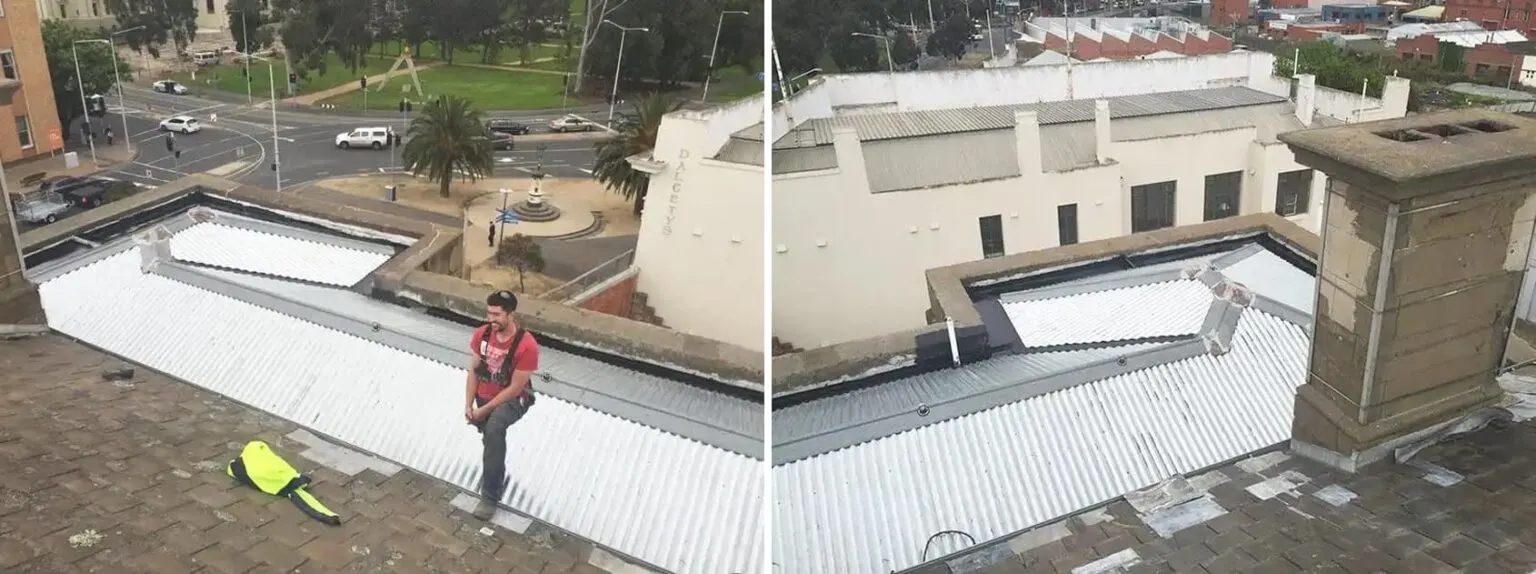
4. Blocked Gutters and Downpipes
The Problem
Falling leaves, twigs, and debris often accumulate in gutters, particularly around properties surrounded by gum trees or pines. Blocked gutters can lead to water overflow, causing damage to fascia boards, walls, and even foundations.
How to Fix It
- Clean gutters at least twice a year, especially before winter.
- Install gutter guards to reduce debris build-up.
- Check downpipes for blockages and ensure stormwater drains are clear and functional.
5. Mould, Moss, and Lichen Growth
The Problem
Moist, shaded roofs provide the perfect environment for moss, lichen, and mould to thrive. Besides being unsightly, these growths retain moisture and can cause tiles to crack or degrade.
How to Fix It
- Clean affected areas with specialised roof cleaning solutions.
- Trim overhanging branches to improve sunlight exposure and ventilation.
- Consider professional soft washing, which removes growths without damaging roof surfaces.
6. Poor Roof Ventilation
The Problem
Inadequate ventilation can cause heat to build up in the roof cavity during summer, leading to higher energy bills and faster deterioration of roofing materials. In winter, trapped moisture can encourage mould growth.
How to Fix It
- Install roof vents or whirlybirds to allow air circulation.
- Check that insulation does not block ventilation pathways.
- Ensure eaves and ridge vents are unobstructed.
7. Gutter Rust and Deterioration
The Problem
Coastal air and standing water from poor drainage can corrode metal gutters, leading to leaks and sagging sections. Rusted gutters are not only unsightly but also ineffective in channelling rainwater away from your home.
How to Fix It
- Replace rusted sections with high-quality aluminium or Colorbond® materials.
- Ensure gutters are properly sloped for drainage.
- Apply protective coatings to extend the lifespan of metal gutters.
8. Tree Damage and Debris Accumulation
The Problem
Overhanging branches can scrape or puncture roofing materials during strong winds. Falling branches can also cause serious structural damage.
How to Fix It
- Trim nearby trees regularly to prevent branches from contacting your roof.
- Inspect the roof after storms for signs of impact damage.
- Install leaf guards to reduce debris accumulation.
9. Ageing Roof Materials
The Problem
Over time, roofing materials naturally deteriorate due to exposure to sun, wind, and rain. Older roofs become brittle, fade, and lose their weatherproofing properties.
How to Fix It
- Schedule regular roof inspections to assess the condition of tiles, flashing, and sealants.
- Re-seal or repaint metal roofing every decade to maintain its protective coating.
- Consider a roof restoration if your roof is over 20 years old but structurally sound.
10. Poor Installation or Workmanship
The Problem
Improper installation of roofing materials or flashing can lead to persistent leaks, poor insulation, and premature deterioration. Unfortunately, this is a common issue in both new builds and older renovations.
How to Fix It
- Engage licensed and reputable roofing professionals with experience in local weather conditions.
- Avoid DIY fixes for complex roofing issues, as improper repairs can worsen the problem.
- Request a workmanship warranty to ensure long-term reliability.
Final Thoughts
The Mornington Peninsula’s climate presents unique challenges for homeowners, particularly when it comes to roof maintenance. Salt air, high winds, and seasonal rain can all impact the integrity of your roof if left unchecked. Regular inspections, prompt repairs, and professional maintenance are key to keeping your roof strong, watertight, and energy-efficient.
If you notice leaks, rust, or damaged tiles, it’s best to contact a qualified local roofer like us, Caspers Plumbing who understands the Peninsula’s coastal environment. By staying proactive, you can extend the life of your roof and protect your home from costly damage for years to come.