
Winter Roof Maintenance Tips to Prevent Leaks and Water Damage
As a local roofing specialist serving the Mornington Peninsula for many years, I’ve seen firsthand how Victorian winters can test the resilience of our homes’ roofs. While Australia is often associated with scorching summers, winter in coastal regions like the Mornington Peninsula brings its own set of challenges: persistent rain, strong southerly winds, cooler temperatures, and the ever-present salty coastal air. These conditions can accelerate wear on roofing materials, leading to leaks and water damage if not addressed proactively. Winter roof maintenance in Australia, particularly in Victoria, is essential because this season often sees heavy rainfall and wind-driven rain that can exploit even minor vulnerabilities. On the Mornington Peninsula, the combination of coastal exposure and frequent storms heightens the risk. Common issues include cracked or shifted tiles from wind gusts, blocked guttering causing overflow, deteriorating flashings around penetrations, and ponding water in low spots. Salty air further exacerbates corrosion on metal roofs and fastenings. Ignoring these problems can lead to costly repairs, mould growth inside the home, and even structural compromise. Water ingress during winter rains can saturate insulation, damage ceilings, and promote health hazards like mould. The good news is that timely winter roof maintenance can prevent roof leaks on the Mornington Peninsula and save homeowners significant expense and hassle. By taking proactive steps before the winter sets in fully, you can ensure your roof remains watertight through the wettest months. In this guide, we’ll cover practical tips tailored to our local conditions, helping you safeguard your home against roof repair needs in Victoria this winter. Current forecasts for the Mornington Peninsula indicate variable winter weather, with periods of heavy rain, drizzle, and strong winds gusting up to 50-55 km/h in the coming weeks – perfect conditions for testing roof integrity.
Key Winter Roof Maintenance Tips
Here are eight essential tips to help prevent leaks and water damage during Victoria’s winter. Each includes an explanation of why it’s particularly relevant to our coastal climate, safe DIY steps where appropriate, and guidance on when to engage a licensed professional.
1. Inspect for Damaged, Cracked, or Missing Tiles and Replace Promptly
In the Mornington Peninsula’s winter, strong southerly winds and wind-driven rain can shift or crack terracotta or concrete tiles, common in Victorian homes. Coastal salt can also make tiles more brittle over time. A single missing tile can allow water to penetrate, leading to leaks during persistent rain.
DIY Steps (from the ground or low ladder only):
- Use binoculars to scan the roof for visible cracks, shifts, or absences.
- Check after storms for new damage.
When to Call a Professional: If damage is extensive or high up, always engage a licensed roofer – walking on tiled roofs can cause further breakage.
2. Clean Gutters and Downpipes to Prevent Blockages
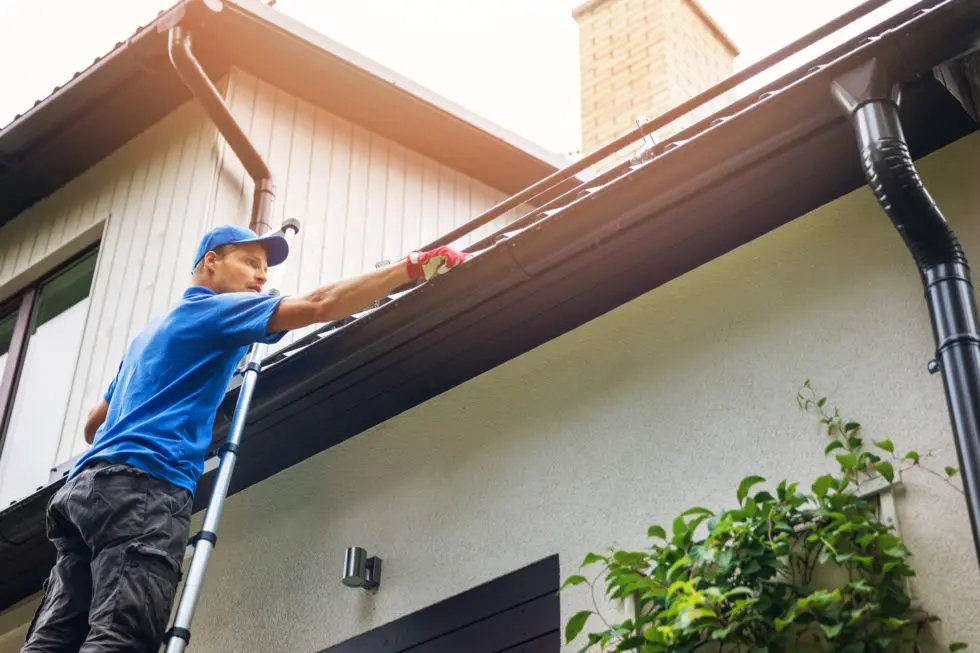
Blocked guttering is one of the most common causes of overflow and water damage in winter. Autumn leaves, debris, and coastal grit accumulate, preventing drainage during heavy rain. On the Peninsula, this can cause water to back up under eaves or roof edges.
DIY Steps:
- Use a ladder safely (with a spotter) and wear gloves.
- Scoop out debris by hand or with a trowel, then flush with a hose.
- Install gutter guards if blockages are frequent.
When to Call a Professional: For multi-storey homes or if you’re uncomfortable with heights.
3. Check and Repair Flashings Around Chimneys, Vents, Valleys, and Skylights
Flashings seal junctions where water entry is likely. Winter rain and wind can lift or corrode them, especially in salty air, allowing leaks around chimneys or vents.
DIY Steps:
- Visually inspect from the ground or attic for rust, gaps, or lifting.
- Note any issues for repair.
When to Call a Professional: Repairs require specialised sealing; always use a licensed roof plumber for compliance.
4. Trim Overhanging Tree Branches to Avoid Wind Damage
Strong winter winds on the Peninsula can cause branches to scrape or fall, damaging tiles or puncturing roofs.
DIY Steps:
- Trim branches at least 2-3 metres from the roof using proper tools.
When to Call a Professional: For large trees or high branches, use an arborist to avoid injury.
5. Ensure Proper Roof Ventilation to Reduce Condensation Risks
Cooler winter temperatures combined with indoor heating can cause condensation in poorly ventilated roofs, leading to dampness and mould.
DIY Steps:
- Check eaves and ridge vents for blockages.
- Ensure attic access is clear.
When to Call a Professional: For adding whirlybirds or improving ventilation systems.
6. Look for Signs of Rust or Corrosion on Metal Roofs
Salty coastal air accelerates rust on Colorbond or galvanised roofs, weakening sheets and causing leaks during rain.
DIY Steps:
- Inspect visible areas for rust spots or bubbling paint.
When to Call a Professional: For treatment or repainting with coastal-grade products.
7. Clear Valleys and Ensure Good Drainage to Avoid Ponding Water
Roof valleys channel heavy runoff; blockages lead to ponding, increasing leak risk in prolonged rain.
DIY Steps:
- Carefully clear debris if accessible safely.
When to Call a Professional: Most valley work requires roof access.
8. Schedule a Professional Inspection
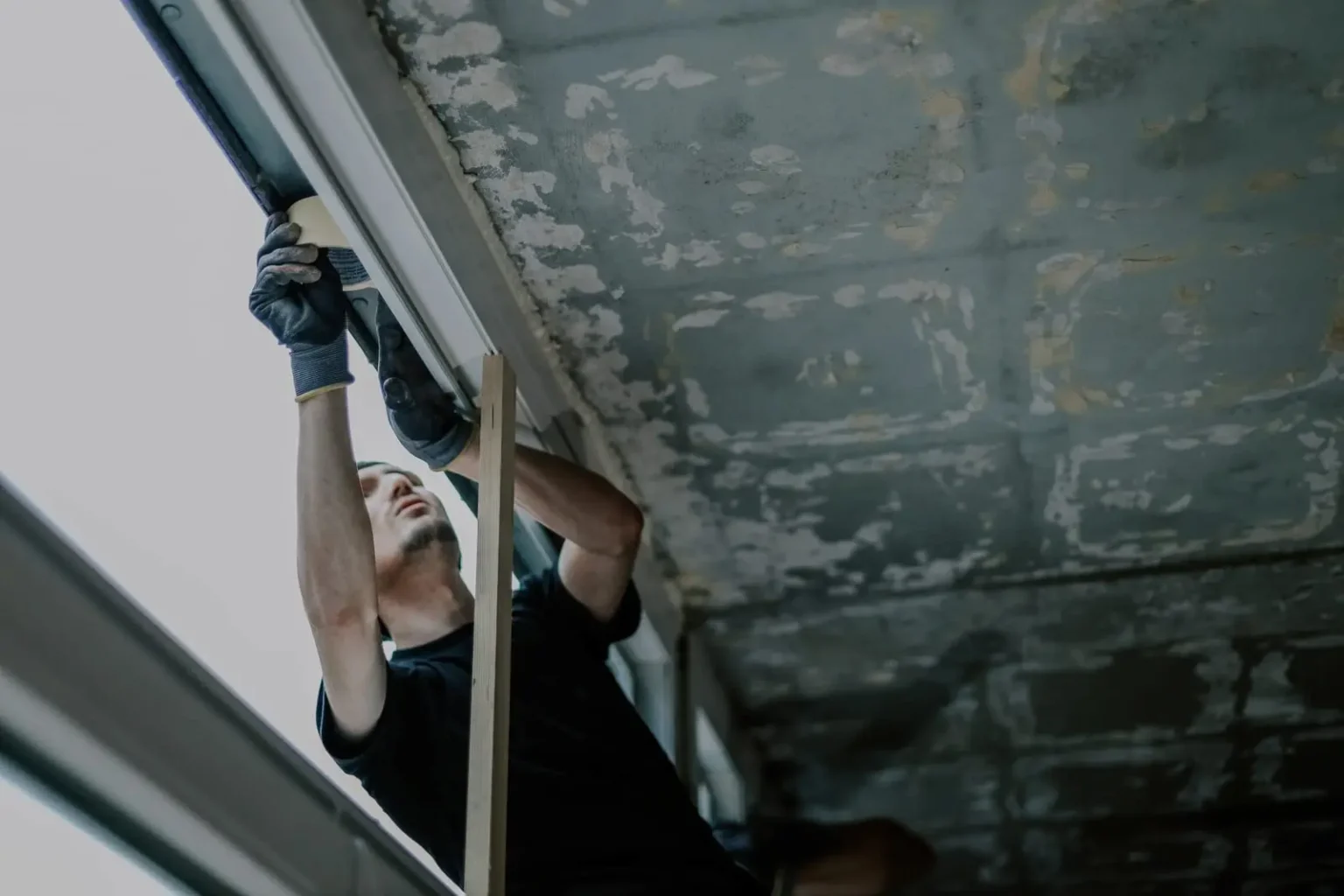
The best prevention is a thorough check before winter or after major storms. Professionals spot hidden issues like sarking damage or subtle corrosion.
Recommendation: Organise an inspection annually, ideally in autumn or early winter.
Signs of Potential Problems
Don’t wait for major damage – watch for these interior warning signs of roof issues during winter:
- Water stains or brown marks on ceilings or walls.
- Damp spots or bubbling paint/plaster.
- Mould growth or musty odours in the home.
- Sagging ceilings (urgent – evacuate and call immediately).
- Dripping sounds or visible water during rain.
If you notice any, act quickly to prevent further water damage and mould.
Winter roof maintenance is a worthwhile investment for homeowners across Australia, but especially in coastal Victoria where the Mornington Peninsula’s unique weather – heavy rain, strong winds, and salty air – puts extra strain on roofs. By following these tips, from cleaning gutters to inspecting tiles and flashings, you can significantly reduce the risk of leaks, water damage, and expensive roof repairs this winter. Acting early, before the heaviest rains arrive, gives you peace of mind and protects your home’s value. Regular upkeep not only prevents problems but extends your roof’s lifespan in our challenging climate. If you’re in the Mornington Peninsula and need a thorough roof inspection or assistance with any of these tasks, contact a local licensed roofer specialising in plumbing and roofing services. We’re here to help keep your home dry and secure. Stay safe and dry this winter – a little preparation goes a long way.